
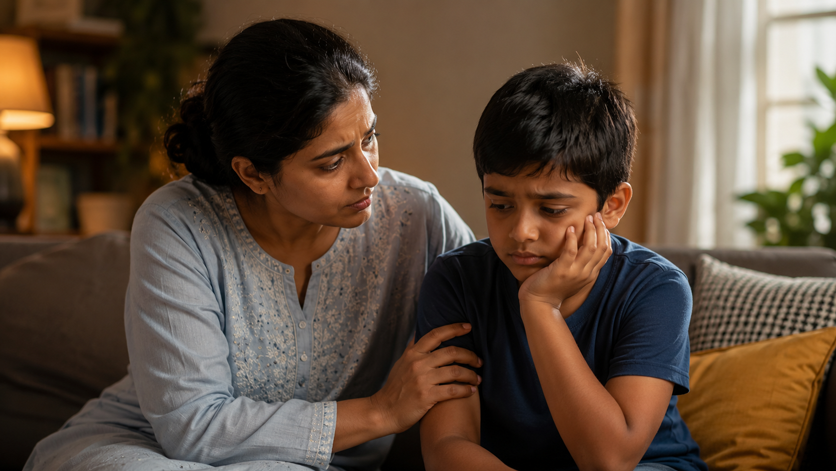
Childhood Bullying vs Normal Conflict: Why Mislabeling Everyday Disagreements Can Harm Children
Childhood Bullying vs Normal Conflict: How to Tell the Difference
Introduction
Childhood bullying vs normal conflict is one of the biggest challenges parents and teachers face today. Every disagreement between children can feel alarming, but not every hurtful interaction is bullying. Understanding the difference between childhood bullying vs normal conflict helps children build resilience, emotional intelligence, communication skills, and healthy relationships instead of depending on adults to solve every disagreement.
At Prayatna Counselling, we often meet parents who are unsure whether their child is experiencing bullying or simply navigating normal childhood disagreements. Knowing the distinction allows families to respond appropriately, support emotional growth, and protect children when genuine bullying occurs.
Many children experience disagreements while learning how to communicate, share, negotiate, and build friendships. These experiences are a natural part of growing up. However, recognising when everyday conflict crosses the line into bullying is essential for protecting a child’s emotional wellbeing without limiting their opportunity to develop resilience.
American Psychological Association’s guidance on bullying
Understanding Childhood Bullying vs Normal Conflict
Children naturally experience disagreements as they learn empathy, communication, and emotional regulation. These conflicts can be uncomfortable, but they often become valuable learning opportunities that help children grow into emotionally healthy adults.
Bullying, on the other hand, is a repeated pattern of intentional harm involving a power imbalance. Recognising the difference between childhood bullying vs normal conflict helps parents, teachers, and caregivers respond in ways that encourage emotional growth while ensuring children’s safety.
What Is Normal Childhood Conflict?
Normal conflict usually happens between children who have equal social or emotional power. These disagreements may involve arguments, misunderstandings, occasional teasing, or hurt feelings, but both children generally have an equal opportunity to express themselves, apologise, and repair the relationship.
Examples include:
- Friends arguing during a game.
- A child saying something hurtful in frustration.
- Disagreements about sharing toys or classroom activities.
- Temporary friendship misunderstandings.
- Occasional teasing without repeated targeting.
These everyday situations help children develop important life skills, including:
- Emotional regulation
- Problem-solving
- Communication
- Empathy
- Negotiation
- Healthy boundary-setting
Parents who immediately label every disagreement as bullying may unintentionally prevent children from developing these essential social and emotional skills.
What Is Childhood Bullying?
Unlike ordinary disagreements, childhood bullying follows a clear pattern recognised by psychologists, educators, and child development experts.
Bullying generally includes three defining characteristics.
1. Repeated Behaviour
The harmful behaviour occurs repeatedly over time rather than being a one-time disagreement.
2. Intentional Harm
The child deliberately attempts to hurt, intimidate, embarrass, threaten, or exclude another child.
3. Power Imbalance
One child has greater physical strength, popularity, social influence, age, or emotional power, making it difficult for the targeted child to defend themselves.
When all three elements are present, the situation requires adult intervention and structured support.
According to the American Psychological Association, bullying involves repeated aggressive behaviour intended to cause harm while involving an imbalance of power between children.
Why Misunderstanding Childhood Bullying vs Normal Conflict Can Be Harmful
Calling every disagreement bullying may seem like a protective response, but it can unintentionally affect children’s emotional development.
Children learn resilience by navigating manageable social challenges. When adults solve every disagreement immediately, children may begin believing they cannot handle difficult situations on their own. Over time, this can reduce confidence and independence.
On the other hand, ignoring genuine bullying can have serious emotional and psychological consequences.
Research shows that children who are guided through age-appropriate conflict develop stronger:
- Emotional resilience
- Social confidence
- Emotional intelligence
- Decision-making skills
- Conflict-resolution abilities
- Healthy interpersonal relationships
Finding the right balance between support and independence is one of the most valuable gifts parents can offer.
Signs Your Child May Be Experiencing Bullying
Parents should pay attention to recurring patterns rather than isolated disagreements.
Some warning signs include:
- Refusing to attend school
- Frequent headaches or stomach aches before school
- Sudden withdrawal from friends
- Loss of confidence
- Anxiety before social situations
- Damaged or missing belongings
- Unexplained injuries
- Changes in appetite or sleep
- Persistent sadness or irritability
- Declining academic performance
If these signs continue over time, they may indicate more than normal childhood conflict.
If your child is struggling emotionally because of school experiences, our Child Counselling services can help children develop confidence, emotional regulation, and healthy coping skills.
Learn what parents should do next in our guide How Parents Should Respond to Childhood Bullying vs Normal Conflict.
Learn More